Conservation Projects and Partnerships
Over the last 60 years, the Ozark Underground Laboratory and Tumbling Creek Cave Foundation have accomplished multiple conservation successes. The section below highlights some of the major conservation projects completed at Tumbling Creek Cave.
Cave Gate
Glade and Woodland Restoration
Prescribed Fire
Powerline Right of Way
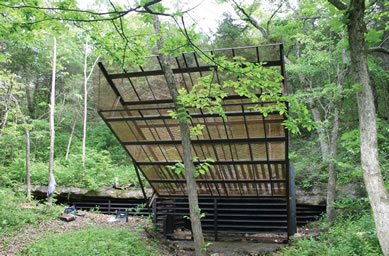
The cave gate at the Bear Cave entrance of Tumbling Creek Cave was constructed in 2004 to protect the cave from trespassers while facilitating its use by endangered gray bats. The gate was built in partnership with the American Cave Conservation Association (ACCA) and the Missouri Department of Conservation (MDC). Since its construction, summer gray bat population estimates have increased from around 20,000 bats to nearly 40,000.
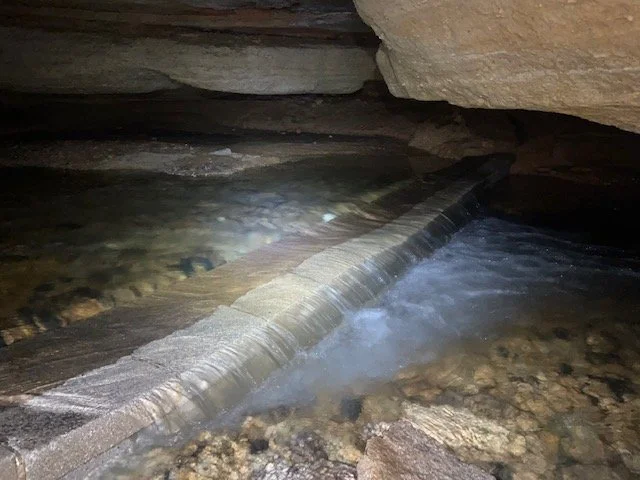
At flood pool, Bull Shoals Lake inundates over 20 springs that drain Tumbling Creek Cave, creating an avenue for ringed crayfish (Faxonius neglectus) to enter the cave. Ringed crayfish are native to Missouri, but were not historically present in the cave. Their ability to invade the cave is only made possible by the operation of Bull Shoals dam. Crayfish are voracious predators and pose a significant risk to cave life. Since 2013, we have trapped and removed over 7,000 ringed crayfish through a partnership with MDC. The US Fish and Wildlife Service and US Army Corps of Engineers have funded the construction of crayfish barriers in the cave and on surface springs.
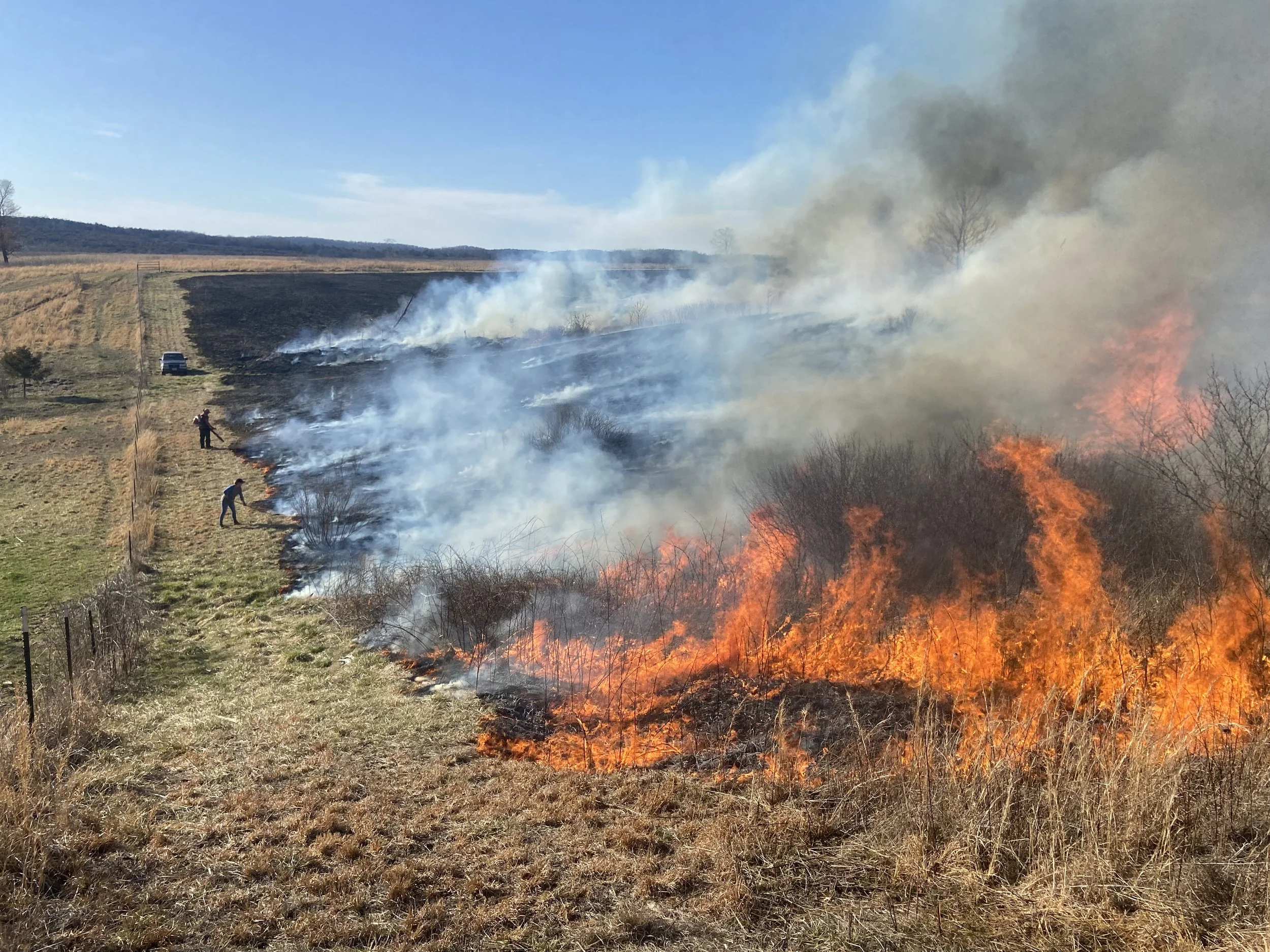
Each year, portions of TCCF and OUL lands are burned to restore native natural communities. Fire is a natural part of the landscape in the Ozarks. Our staff work closely with MDC for training and cost-share to complete these burns.
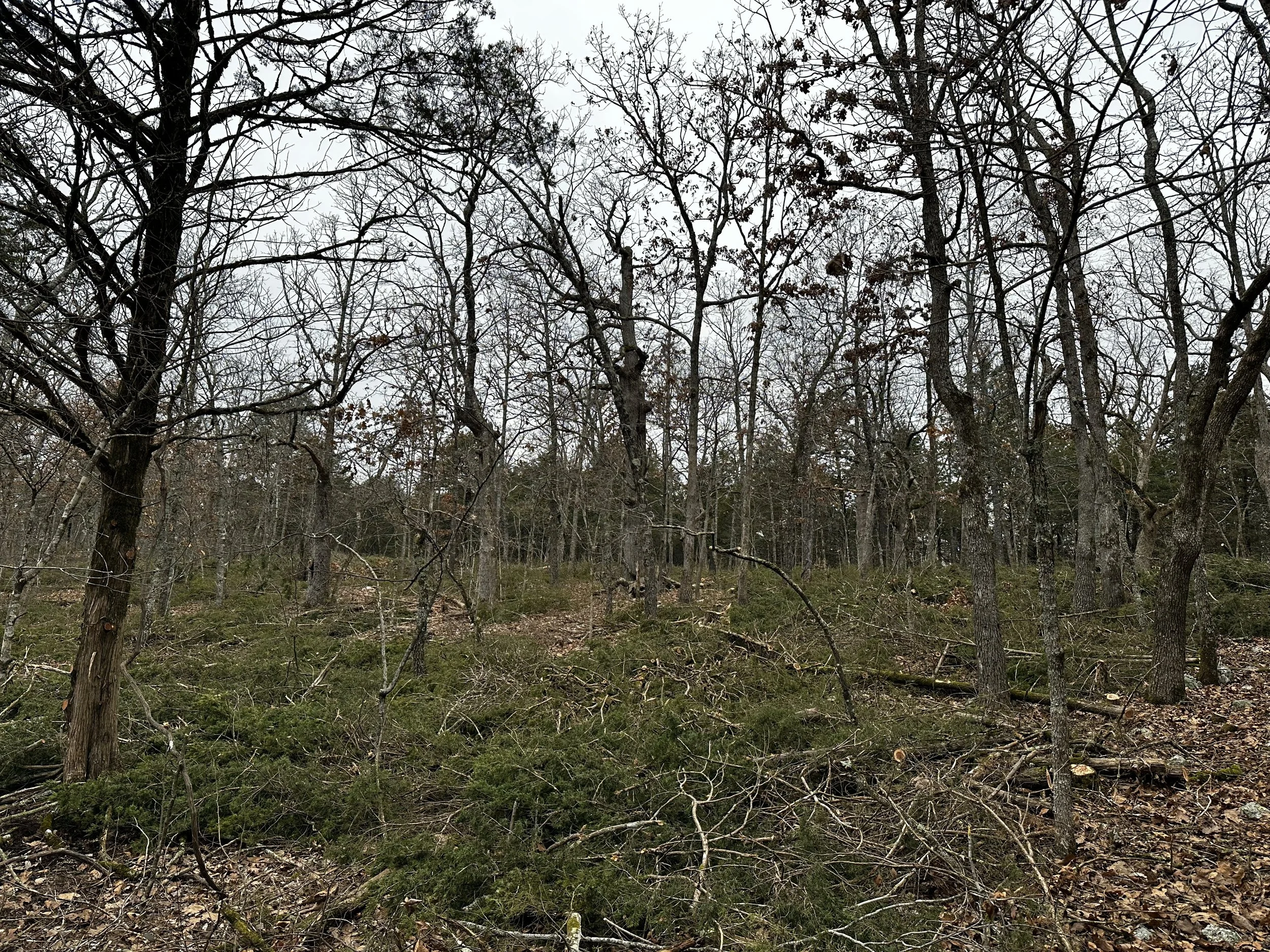
The first European settlers to Missouri found a vastly different landscape than what we currently see. The natural communities around Tumbling Creek Cave were comprised of glades and open woodlands. Over the last 150 years, fire suppression, timber harvest, and open range grazing has changed the landscape. Partnering with the USFWS and MDC, we have worked to restore nearly 400 acres of glades and woodlands by cutting cedar, thinning hardwoods, and applying prescribed fire to the landscape. Intact natural communities on the surface are vital to the health of the cave below.
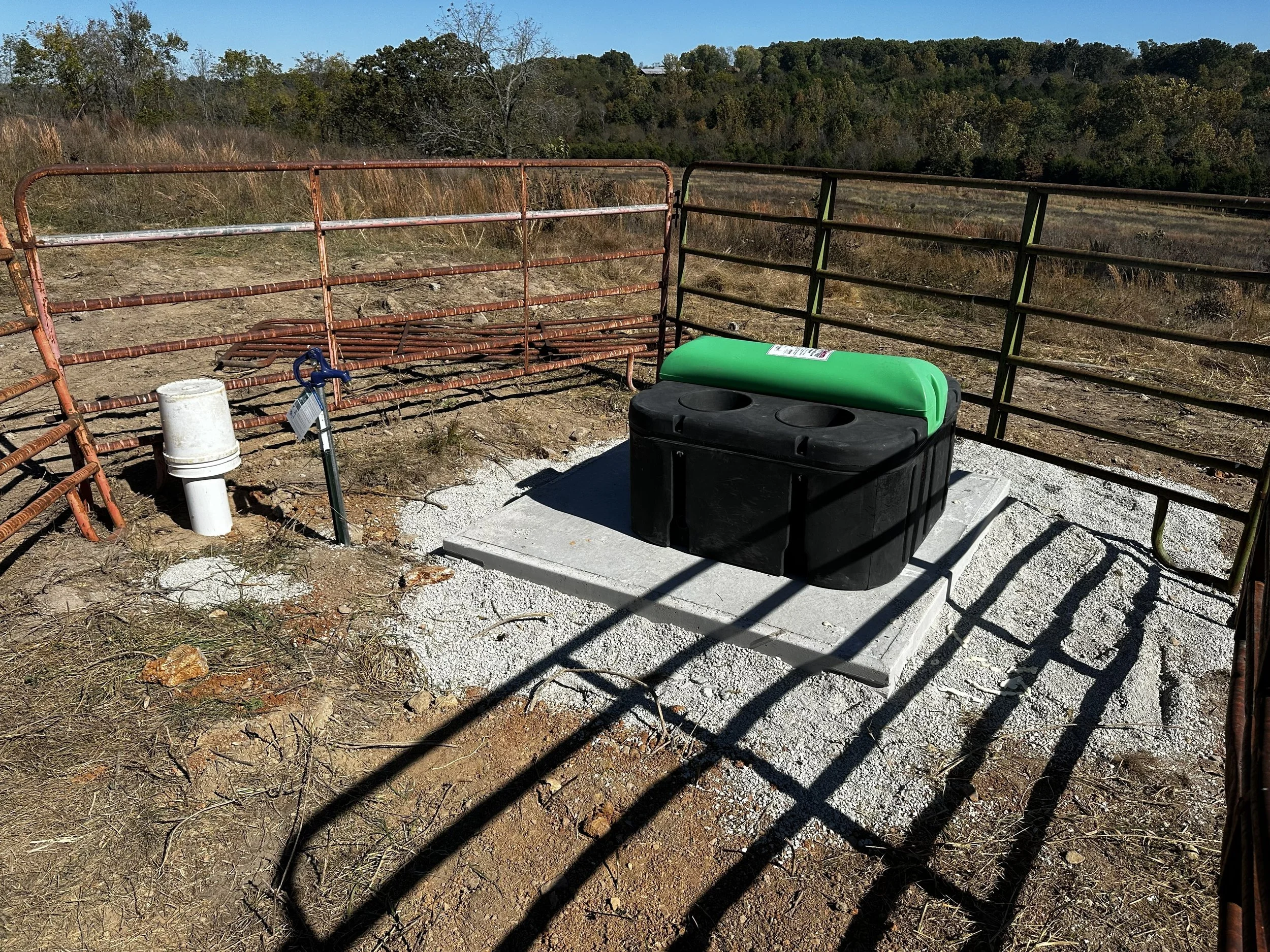
Agriculture is an important part of the economy and culture in the Ozarks. In an effort to demonstrate best practices and sustainable agriculture, we have partnered with the Natural Resource Conservation Service (NRCS) through their Environmental Quality Incentives Program to build out a 200 acre rotational grazing system. When completed, the grazing system will include 14 paddocks and nine frost proof waterers to restrict livestock access from surface water bodies and promote proper grazing techniques.
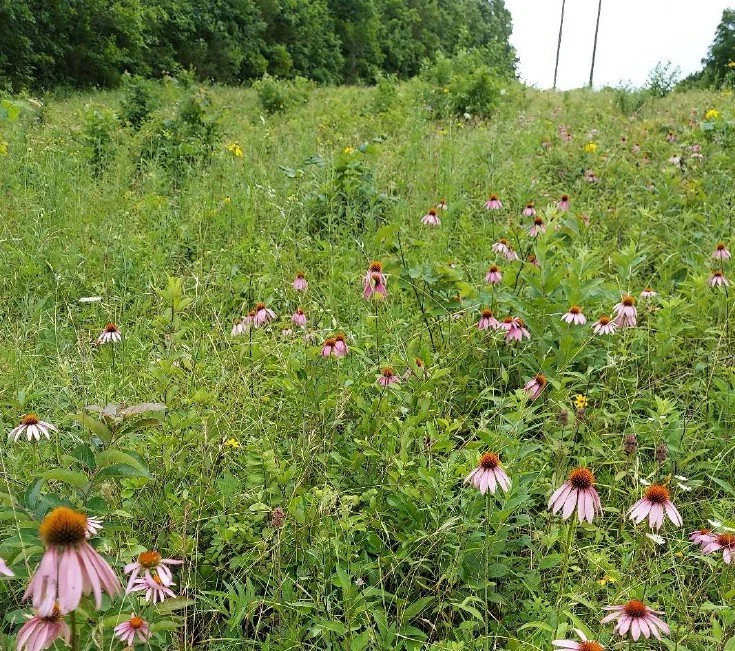
An major electric transmission line is located on lands designated as Critical Habitat for the Tumbling Creek Cavesnail. To meet the increasing power demand in the area, Sho-Me Power planned to rebuild its powerline and increase capacity. In 2023, TCCF and Sho-Me Power entered into a 50-year partnership that will allow TCCF to manage the lands in the powerline right of way for the protection of the cavesnail. Funding was provided by Sho-Me Power for TCCF to decrease sediment runoff, manage woody vegetation without herbicides, and repair eroding stream banks on the right of way.
More Conservation Efforts!
Closed, repaired, and revegetated 3,200 feet of eroding logging roads and skid trails. Removed two failing earth-fill dams containing approximately 400 cubic yards of soil at sites upstream of major sinking points on Sinking Creek.
Repaired and revegetated 13,000 feet of erosion gullies where the typical gully was 5 feet wide at the top, two feet wide at the bottom, and 4 feet deep. An estimated 6,700 cubic yards of soil had eroded from these gullies prior to their repair.
Repaired 1,600 feet of eroding stream channels and adjacent stream banks.
Converted 100 acres of fescue pasture to native grasses and forbs.
Planted bottomland trees species on 180 acres of riparian corridors (75,000 hand-planted trees). All of the riparian corridors were fenced to exclude cattle.
Installed a livestock watering system in Sinking Creek to eliminate the need for cattle access to the stream.
Cleaned up over 30 dumps, many of which were in sinkholes in the recharge area of Tumbling Creek Cave.
Removed 10 tons of decaying creosote treated railroad ties from a sinkhole.
Conducted major control efforts on invasive plant species including Himalayan blackberry, tree of heaven, Russian thistle, bush honeysuckle, and spotted knapweed.
Replaced a failing wastewater system at the Mark Twain School that was leaking into the cave system.
Coordinated a septic tank pump out program in the recharge area.
Grazing System